Free guide for homeowners in london
Patios on London Clay: 10 things to check before you pay
Most patio problems in London start underneath, where you cannot see them: thin sub-bases, no fall, and paving laid too close to the damp-proof course. This free guide shows you the ten things to check before you pay anyone, with fair London prices and a checklist.
What is inside
- Why London clay is hard on patios, and what a proper sub-base looks like
- Falls, drainage and the 150 mm rule below your damp-proof course
- The 2008 front garden rule and when you need planning permission
- Porcelain, Indian sandstone or block paving: honest pros and cons
- What a proper written quote should include, and the red flags
- Typical 2026 London prices and a checklist to use on the day
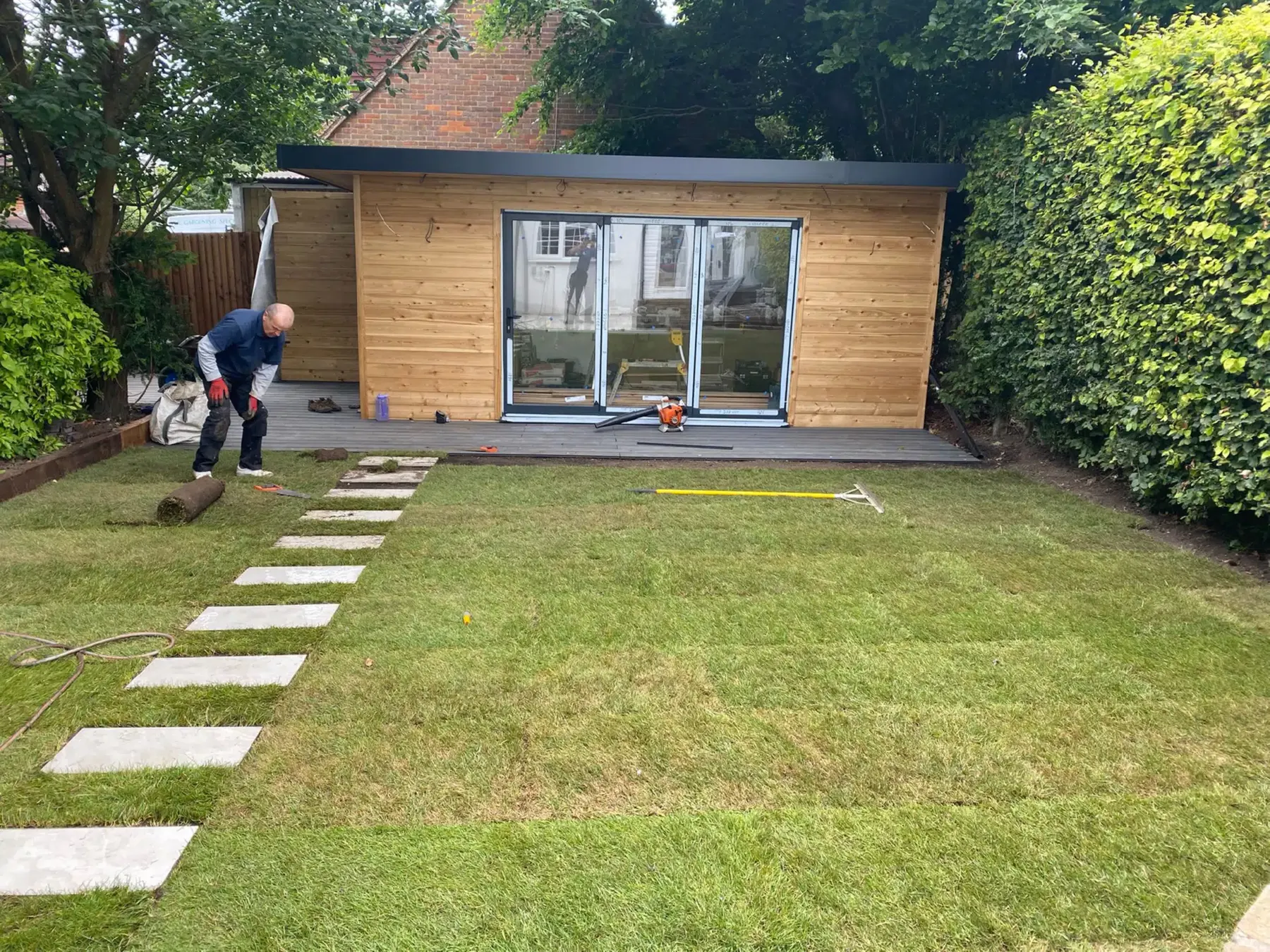
Written by Karol Antolak
Owner of A.K. Gardening Specialist, Northolt. London gardens since 2006.
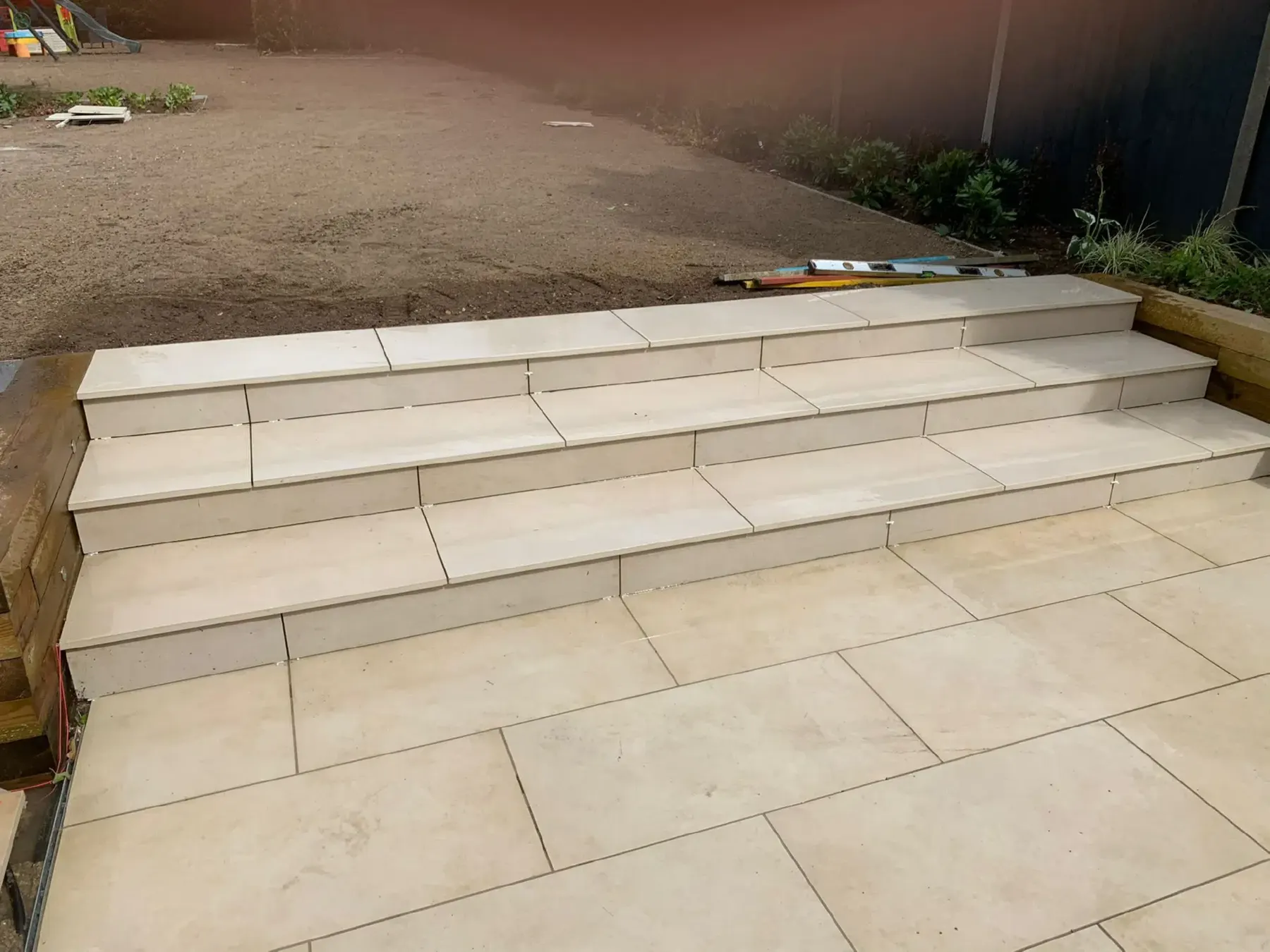
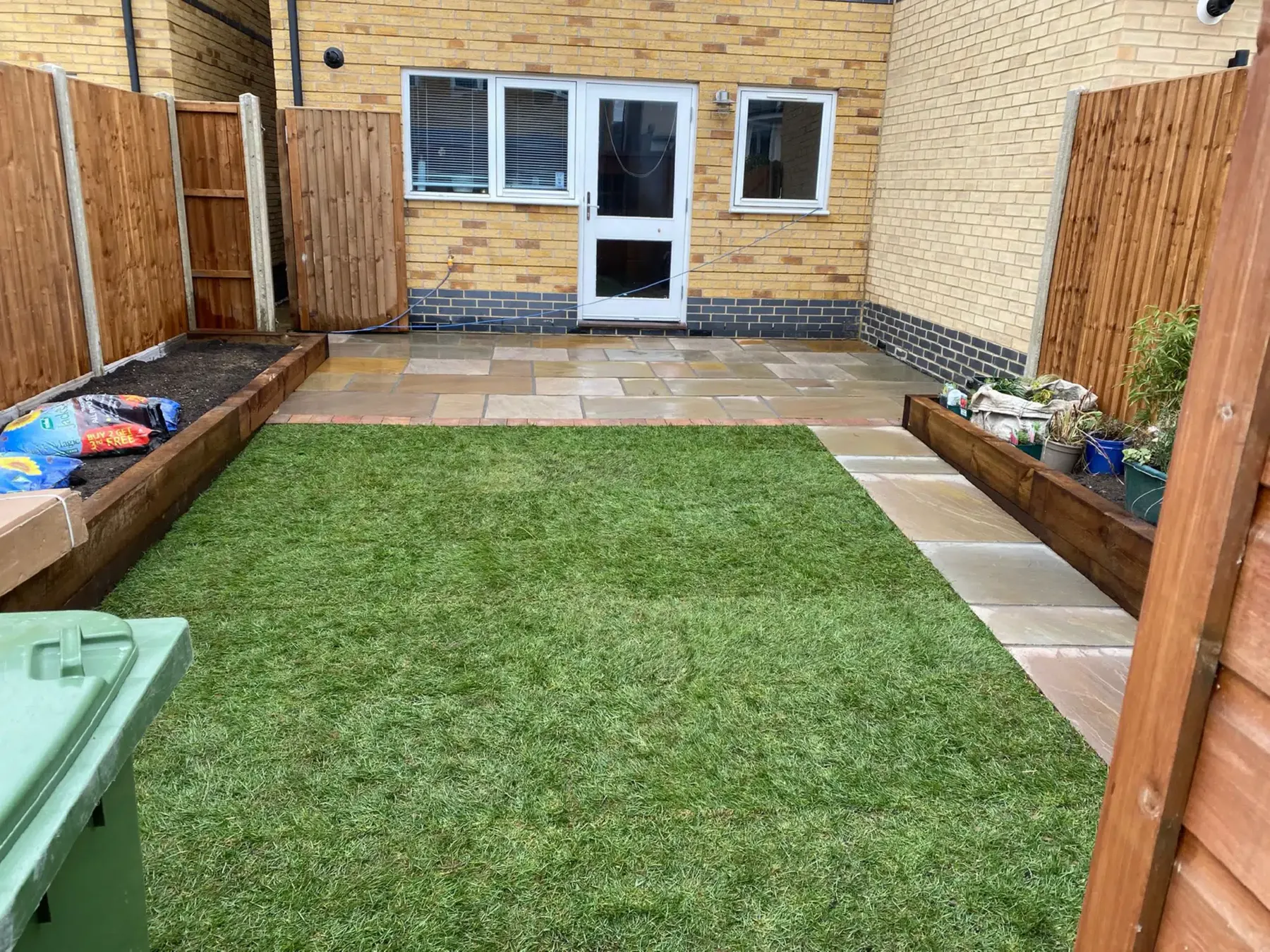
A preview
Before you start
A new patio is one of the best things you can do for a London garden. Done well, it stays flat and dry for decades. Done badly, it rocks, holds puddles, stains, and in the worst cases sends rainwater towards your house.
London sits on clay. Clay holds water in winter, shrinks and cracks in dry summers, and moves again when the rain returns. A patio laid on clay needs to be built for that movement. In twenty years of London gardens, the most common problem Karol is asked to fix is not the stone. It is what was, or was not, put underneath it.
Chapters
- 1. The sub-base: what is under the stone
- 2. Falls and drainage
- 3. Protect your house: DPC, airbricks and doors
- 4. Front gardens: the 2008 rule
- 5. Porcelain, Indian sandstone or block paving
- 6. Slurry primer for porcelain
- 7. Trees, roots and subsidence on clay
- 8. Standards and workmanship
- 9. Typical London prices in 2026
- 10. The written quote, and the red flags
Rather talk it through? Call Karol on 07703 040203 or see patios, paths and steps.
Free guides
More free guides
Straight answers to the garden problems we see most often in London, from twenty years of West London gardens. Free, sent to your inbox.