Why is autumn and winter care different in West London?
Gardens in Northolt, Greenford and Hayes mostly sit on heavy London clay. It drains slowly, gets waterlogged in winter and turns to mush underfoot. London is also milder than much of the country, so grass can keep growing into November.
That means timing matters. Some jobs are best done while the soil is still workable in October, and others wait until plants are fully dormant.
What should I do in the garden in October?
October is the busiest month of the season. The soil is still warm and workable, so it is the last good window for lawn repairs.
- Clear fallen leaves from lawns, paths and patios every week or two. Wet leaves smother grass and make paving slippery.
- Scarify and aerate the lawn. Spiking clay lawns with a fork or hollow tine aerator helps winter rain drain away.
- Plant spring bulbs such as daffodils, crocus and alliums. Tulips can wait until November.
- Lift tender plants and move pots of half hardy plants into a sheltered spot.
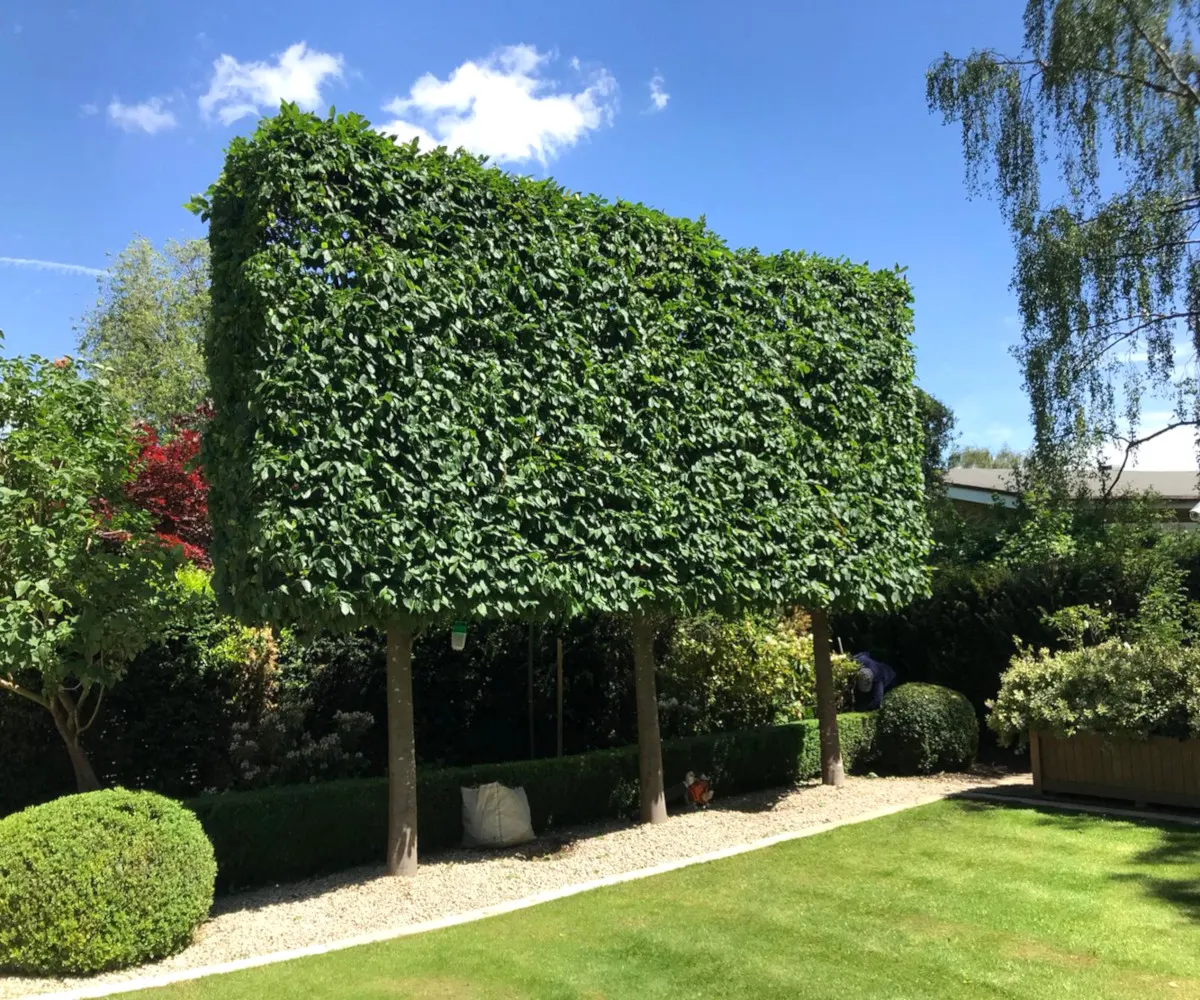
- Give hedges a final light trim if needed while the weather is dry.
What should I do in the garden in November?
November is when bare root planting starts and the garden begins to slow down.
- Plant tulip bulbs, which do better planted later to avoid disease.
- Start planting bare root hedging, roses and trees. The season runs from roughly November to March, when they are cheaper and establish well.
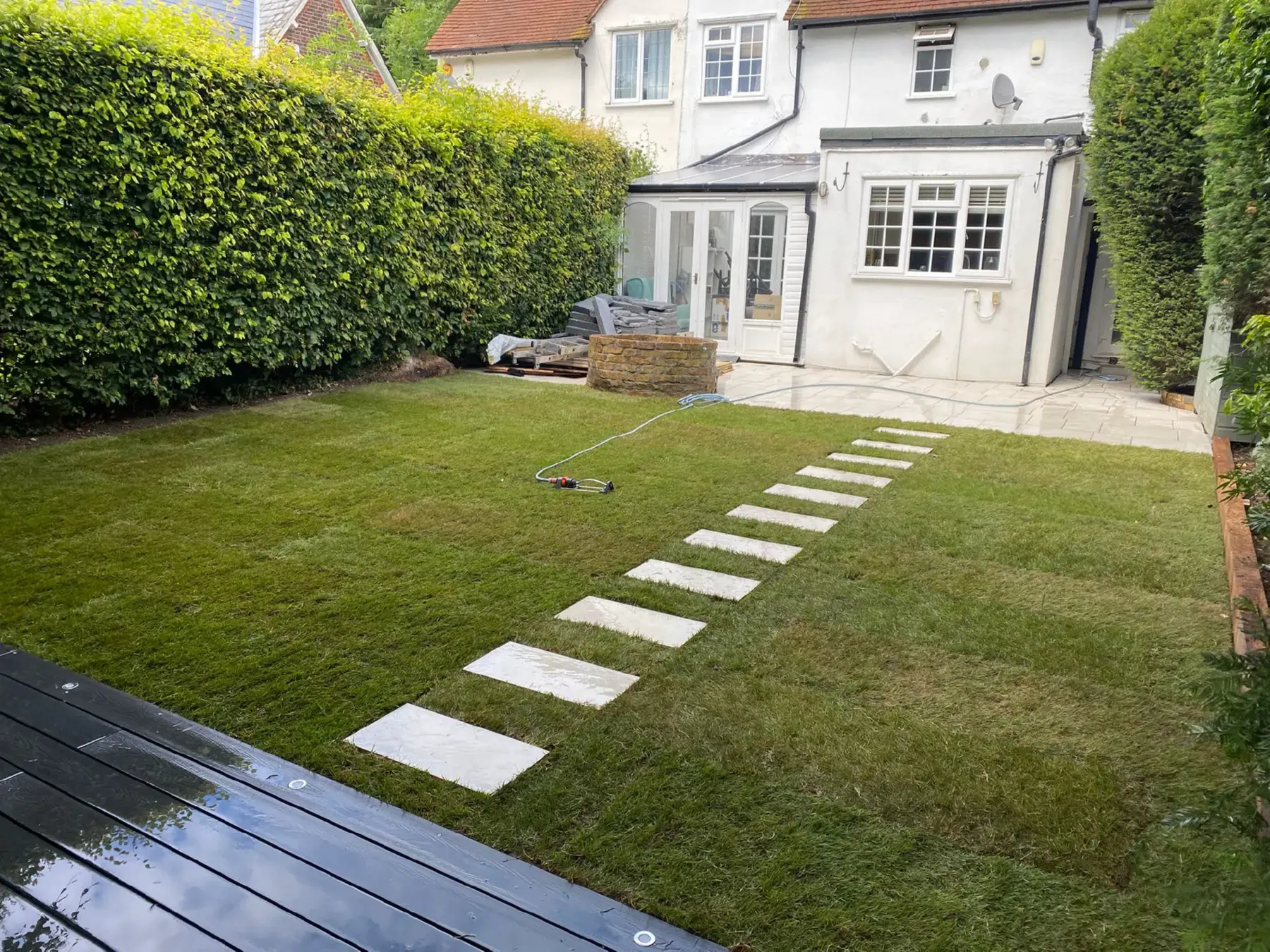
- Give the lawn its last cut on a high setting if it is still growing and the ground is dry.
- Raise pots onto feet so they do not sit in water and crack in frost.
- Collect leaves into a wire bin or bags to make leaf mould for next year.
What should I do in the garden in December?
December is a quieter month. Most jobs are about protecting what you have and checking for storm damage.
- Stay off frozen or waterlogged grass. Walking on it damages the blades and compacts clay.
- Prune apple and pear trees while they are dormant, removing crossing, dead and diseased branches.
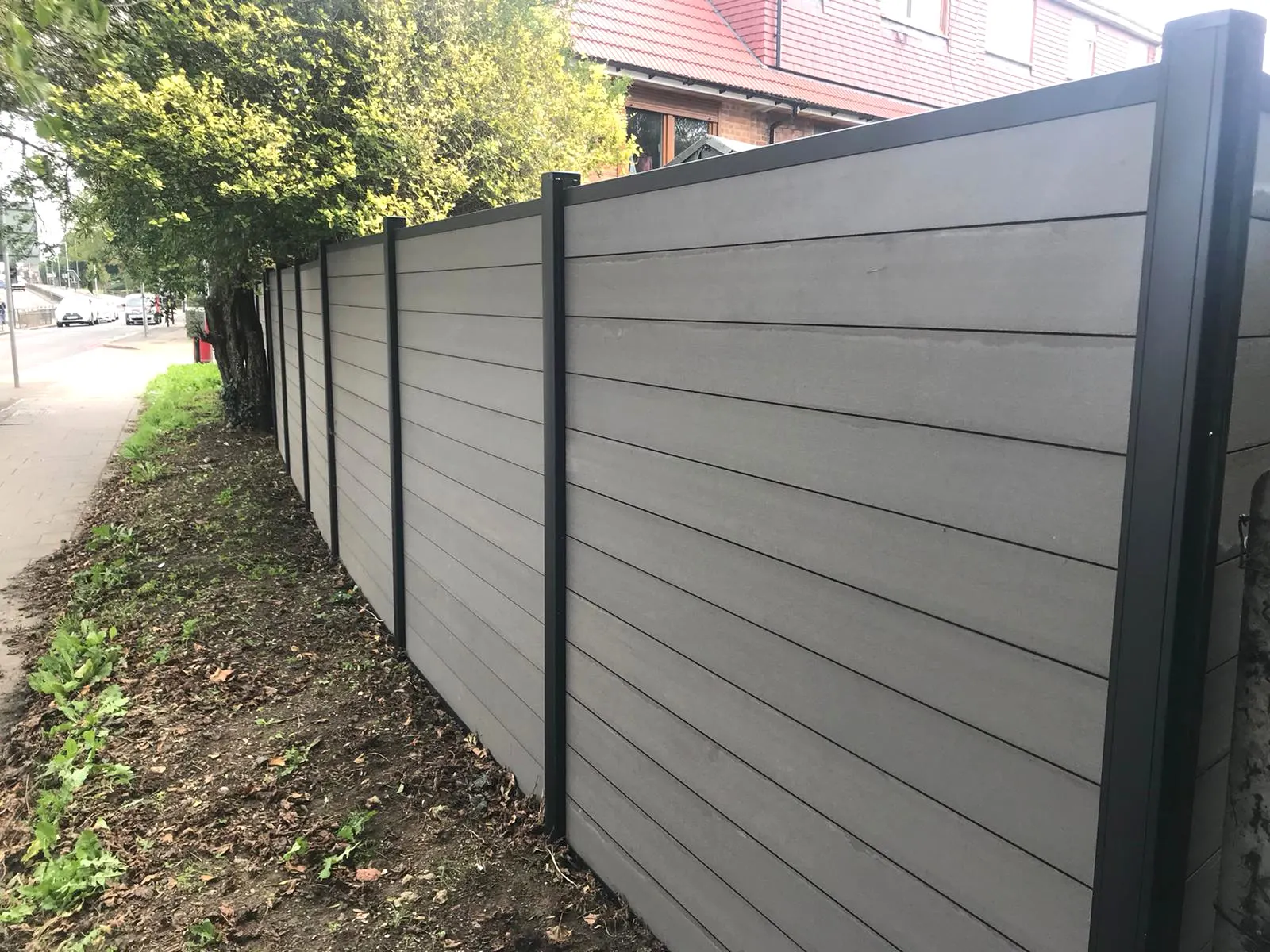
- Check fences, gates and trellis after every storm. A leaning post caught early is much cheaper than a fallen panel.
- Clean gutters on sheds and greenhouses and clear drains of leaves.
- Clean and sharpen tools, and service the mower before spring.
What should I do in the garden in January?
January is a good month for dormant pruning and for planning bigger projects.
- Prune wisteria back to two or three buds on the side shoots.
- Carry on planting bare root plants whenever the soil is not frozen or sodden.
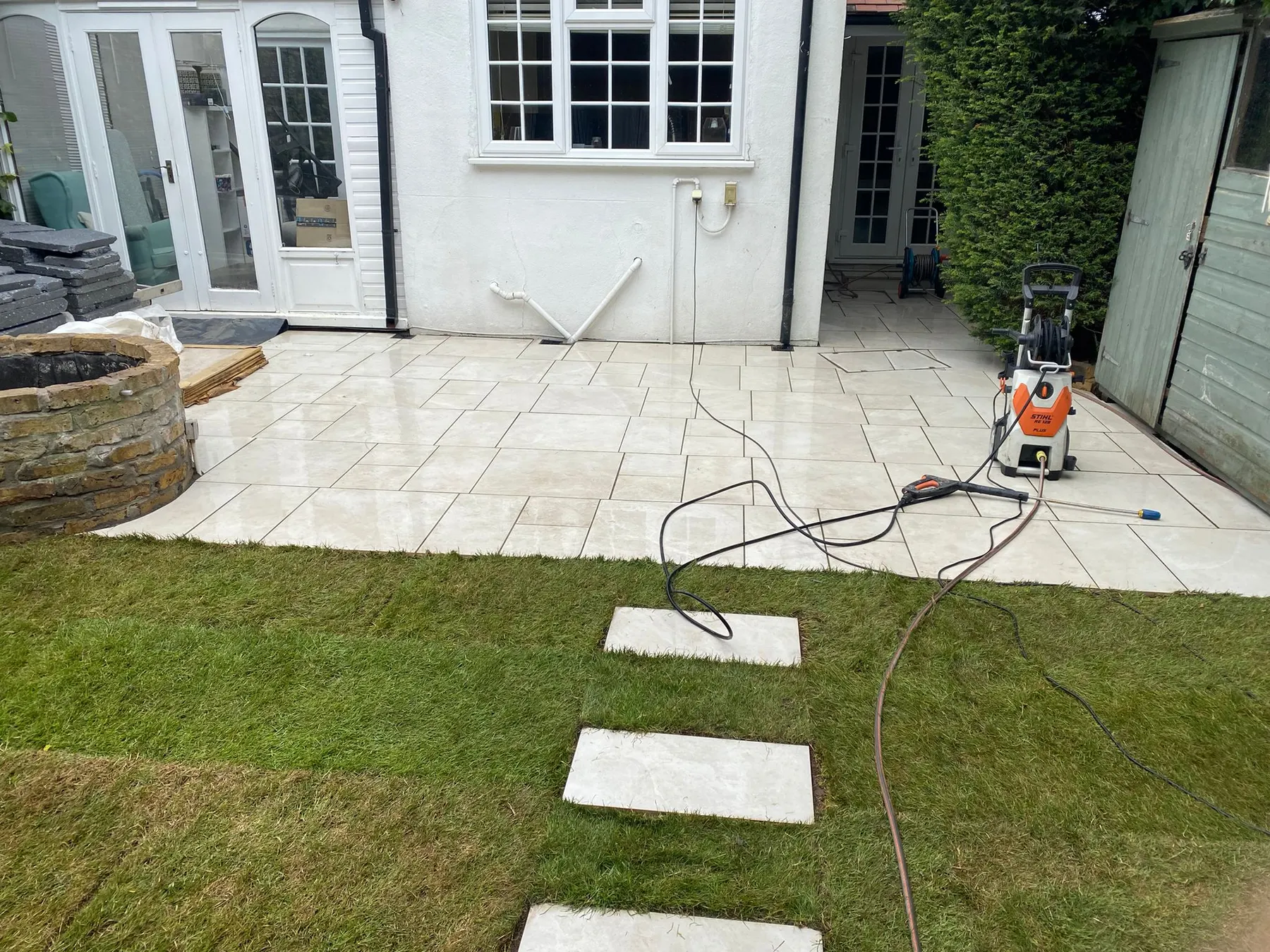
- Clean patios and paths to remove algae before it gets slippery.
- Plan any larger changes for spring, such as a new patio, fencing or a full garden makeover. Winter is a good time to get quotes and book dates.
- Feed the birds and keep a dish of fresh water out in frosty weather.
What should I do in the garden in February?
February is the last chance for jobs that must be done before spring growth and nesting begin.
- Cut back ornamental grasses and old perennial stems before new growth appears.
- Prune late flowering clematis hard, back to a pair of healthy buds near the base.
- Finish any hedge cutting and tree work before birds start nesting. Nesting season is generally counted from March to August.
- Top dress borders with compost or well rotted manure to help break up the clay.
- Prepare beds and lawns for spring, including edging and weeding.
Is it worth keeping a gardener over winter?
Many people stop all care in October and face a big clean-up in April. A lighter winter schedule, perhaps one visit a month, keeps leaves, hedges and lawns in check and spreads the cost. It also means someone is looking at your fences and trees after storms.
Our regular garden maintenance clients in Ealing, Ruislip, Hillingdon and nearby areas can drop to winter visits and step back up in spring. If you would like a free visit to talk through a plan, call Karol on 07703 040203.
Questions people ask
When should I stop mowing my lawn in London?
In London grass often keeps growing into November because of the mild climate. Give a final cut on a high setting when the ground is dry, then stop. Do not mow wet or frosty grass, as it damages the lawn and compacts clay soil.
When is the best time to plant bulbs in West London?
Plant most spring bulbs such as daffodils, crocus and alliums in September and October. Tulips are best planted in November, as cooler soil reduces the risk of disease. Plant bulbs at about two to three times their own depth.
Should I clear leaves off my lawn in autumn?
Yes. A thick layer of wet leaves blocks light and air, leading to yellow patches and moss. Rake or blow leaves off every week or two in autumn. Put them in a bin or bags to rot down into leaf mould for your borders.
When can I prune fruit trees in winter?
Prune apple and pear trees while they are dormant, usually from December to February. Remove dead, diseased and crossing branches and open up the centre. Do not winter prune plums and cherries, which are best pruned in summer.
Can I plant hedges in winter?
Yes, winter is the best time to plant bare root hedging. The bare root season runs from roughly November to March. Plant whenever the ground is not frozen or waterlogged, and water in well. Plants are cheaper than pot grown ones and establish strongly.
Karol Antolak
Owner of A.K. Gardening Specialist in Northolt. Looking after gardens across West London since 2006. Fully insured, DBS checked.